Platform comparison
| Platform | YES odds | NO odds | Fee | KYC | Settlement | |
|---|---|---|---|---|---|---|
PolyGram Pick polygram.ink |
0% | 100% | 0% (USDC on-chain) | No-KYC up to $1,500 | USDC, auto via UMA oracle | Open on PolyGram → |
Polymarket polymarket.com |
0% | 100% | 0% | Geo-blocked in US/UK/EU | USDC, on-chain | Open on PolyGram → |
Kalshi kalshi.com |
— | — | Up to 7% per trade | US-only, KYC required | USD | Open on PolyGram → |
Betfair Exchange betfair.com |
— | — | 2-5% commission | Full KYC from first trade | GBP / EUR | Open on PolyGram → |
Manifold Markets manifold.markets |
— | — | Play-money (mana) | None — play-money | Mana (no cash-out) | Open on PolyGram → |
Live odds for Polymarket-based markets come from the Polygon order book. Non-Polymarket venues show attributes only; clicking any row opens the market on PolyGram.
Active sub-markets
Market context
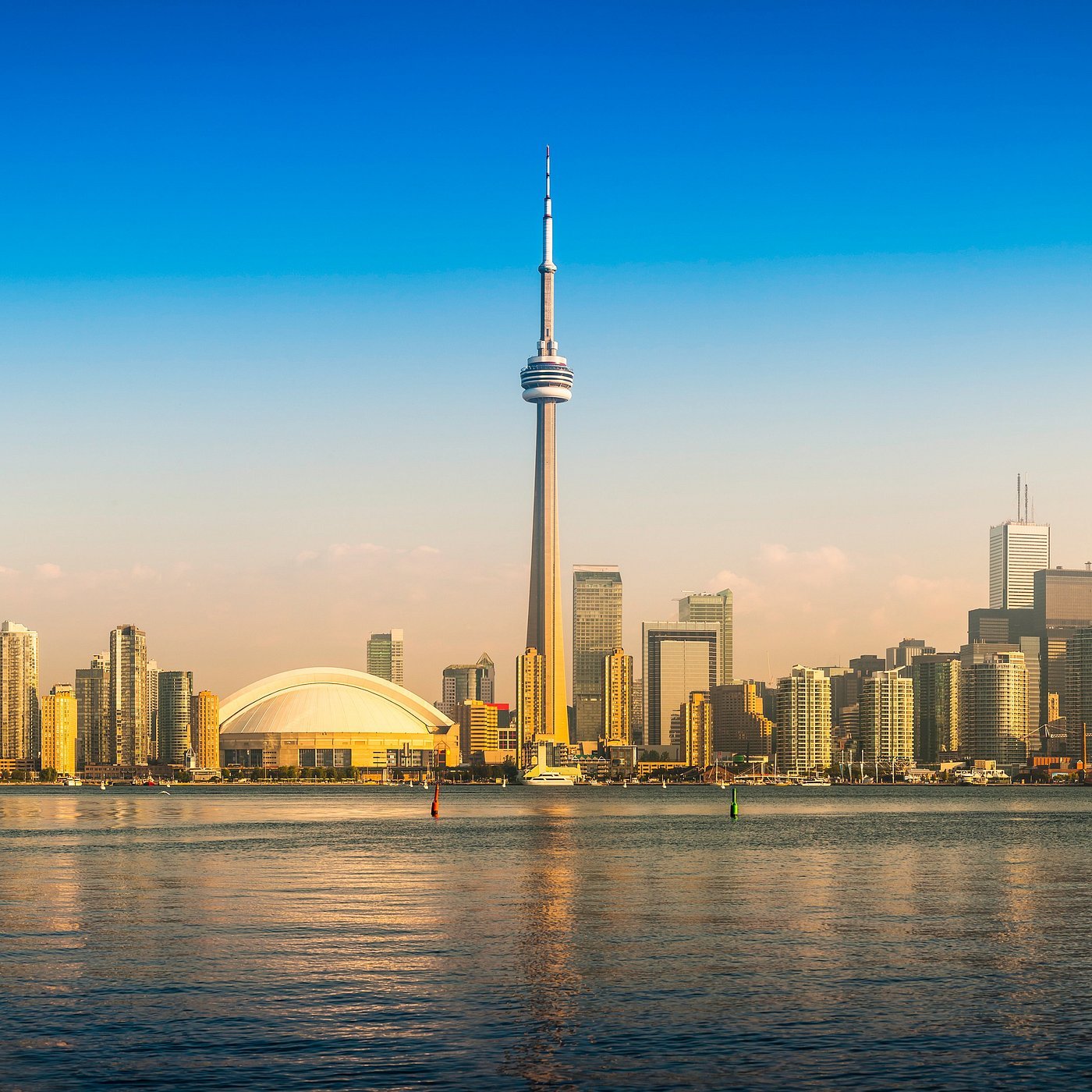
The real-world event driving this market is the peak air temperature recorded at Toronto Pearson International Airport on 25 June 2026, measured in degrees Celsius. With the crowd-implied probability for a "YES" outcome sitting at 0%, the market currently assumes the temperature will fall outside the defined range, likely indicating a belief in significantly cooler conditions or a range mismatch.
Historical data frames this low probability by showing that late June in Toronto typically sees highs between 20°C and 25°C, though extreme heat events have occurred. For instance, Environment Canada recorded a scorching 35.8°C at Pearson Airport in a recent heat warning, marking the hottest temperature in nearly a decade since 2016[3][8]. However, a streak of three consecutive days with maximums above 34°C ended abruptly when temperatures dropped to 30.0°C on 25 June in a comparable recent year, suggesting volatility rather than consistent extremes[9]. This variability implies that while heatwaves are possible, the current 0% probability may be overly dismissive of a sudden spike, or the resolution range is simply too narrow to capture typical June highs.
A power-user approaching this programmatically would monitor real-time weather feeds from Wunderground and the National Weather Service for sudden shifts in pressure or humidity, which often precede thundery showers and temperature drops[2][4]. Traders should watch for Environment Canada heat warnings or updates on atmospheric river patterns, as these are the primary catalysts for extreme temperature deviations. Recent reports highlight that heat warnings can persist for days, forcing outdoor activity scheduling changes and increasing the risk of heat-related medical emergencies[3]. If a heat warning is issued before 25 June, the probability of a high temperature spike would likely surge, challenging the current market consensus.
Methodology
We track Highest temperature in Toronto on June 25? on the five venues with material liquidity for prediction markets. Live odds come from the Polymarket Polygon order book — the only source that ships real-time data under an open licence. For Kalshi, Betfair and Manifold we list platform attributes (fee, KYC, settlement, payment) instead of fabricated odds, because their APIs use non-comparable contract definitions.
Resolution & payout
Settlement runs on-chain. Polymarket's contract logic separates YES and NO shares as conditional tokens; at resolution the winning share lifts to $1.00 and the losing one to $0. The outcome input comes from the UMA Optimistic Oracle, which secures against bad resolution with a bond + dispute window.
Once finalised, the smart contract pays USDC to the holders' wallets within minutes — no withdrawal fees beyond Polygon network gas. Kalshi settles in USD via CFTC clearance, Betfair in account currency net of commission, Manifold in play-money mana with no cash-out.
FAQ
- How does resolution work?
- Through the UMA Optimistic Oracle on Polygon: a proposer submits the outcome, a two-hour challenge window opens, and USDC payouts settle automatically once the result is final.
- What's the difference between YES and NO shares?
- A YES share pays $1.00 if the event happens, $0 otherwise. A NO share pays $1.00 if the event doesn't happen. The market price between 0¢ and 100¢ is the implied probability.
- What does it cost to trade on PolyGram?
- Zero. PolyGram routes every order to the live Polymarket order book; the only cost is the Polygon network fee, typically under $0.01 per transaction.
- Do I need to KYC for this market?
- Not under $1,500 of lifetime trading volume. Above that threshold, PolyGram triggers a quick verification flow that finishes in minutes.
- How reliable are the quoted odds?
- The YES/NO percentages are the live mid-prices of the Polymarket order book. On deep markets they move every few seconds; on thinner ones you'll see short plateaus.
%22%2F%3E%3Cpath%20d%3D%22M%206%2066%20A%2026%2026%200%200%201%2058%2066%22%20fill%3D%22%23E6B98D%22%20opacity%3D%220.9%22%2F%3E%3Ccircle%20cx%3D%2232%22%20cy%3D%2226%22%20r%3D%2222%22%20fill%3D%22%23F5CBA7%22%2F%3E%3Cpath%20d%3D%22M%2010%2026%20A%2022%2028%200%200%201%2054%2026%22%20fill%3D%22%230ea5e9%22%20opacity%3D%220.9%22%2F%3E%3C%2Fsvg%3E) and
and%22%2F%3E%3Cpath%20d%3D%22M%206%2066%20A%2026%2026%200%200%201%2058%2066%22%20fill%3D%22%23E6B98D%22%20opacity%3D%220.9%22%2F%3E%3Ccircle%20cx%3D%2232%22%20cy%3D%2226%22%20r%3D%2222%22%20fill%3D%22%23F5CBA7%22%2F%3E%3Crect%20x%3D%2210%22%20y%3D%224%22%20width%3D%2244%22%20height%3D%2214%22%20rx%3D%227%22%20fill%3D%22%230ea5e9%22%20opacity%3D%220.9%22%2F%3E%3Crect%20x%3D%228%22%20%20y%3D%2218%22%20width%3D%228%22%20%20height%3D%2218%22%20rx%3D%224%22%20fill%3D%22%230ea5e9%22%20opacity%3D%220.7%22%2F%3E%3Crect%20x%3D%2248%22%20y%3D%2218%22%20width%3D%228%22%20%20height%3D%2218%22%20rx%3D%224%22%20fill%3D%22%230ea5e9%22%20opacity%3D%220.7%22%2F%3E%3C%2Fsvg%3E)
Trade Highest temperature in Toronto on June 25? on PolyGram
Live order book, 0% fees, USDC settlement in seconds.
Trade on PolyGram →