Platform comparison
| Platform | YES odds | NO odds | Fee | KYC | Settlement | |
|---|---|---|---|---|---|---|
Polymarket (via Kalshi Fees) Pick polygram.ink (preferred broker) |
99% | 1% | 0% (USDC on-chain) | No-KYC up to $1,500 | USDC, auto via UMA oracle | Place a position → |
Polymarket (direct) polymarket.com |
99% | 1% | 0% | Geo-blocked in US/UK/EU | USDC, on-chain | Place a position → |
Kalshi kalshi.com |
— | — | Up to 7% per trade | US-only, KYC required | USD | Place a position → |
Betfair Exchange betfair.com |
— | — | 2-5% commission | Full KYC from first trade | GBP / EUR | Place a position → |
Manifold Markets manifold.markets |
— | — | Play-money (mana) | None — play-money | Mana (no cash-out) | Place a position → |
Outcome probabilities
Current market-implied probability for each outcome, from the live order book.
| Outcome | Probability |
|---|---|
| 26°C | 99% |
| 27°C | 1% |
| 19°C or below | 0% |
| 20°C | 0% |
| 21°C | 0% |
| 22°C | 0% |
| 23°C | 0% |
| 24°C | 0% |
| 25°C | 0% |
| 28°C | 0% |
| 29°C or higher | 0% |
Market context
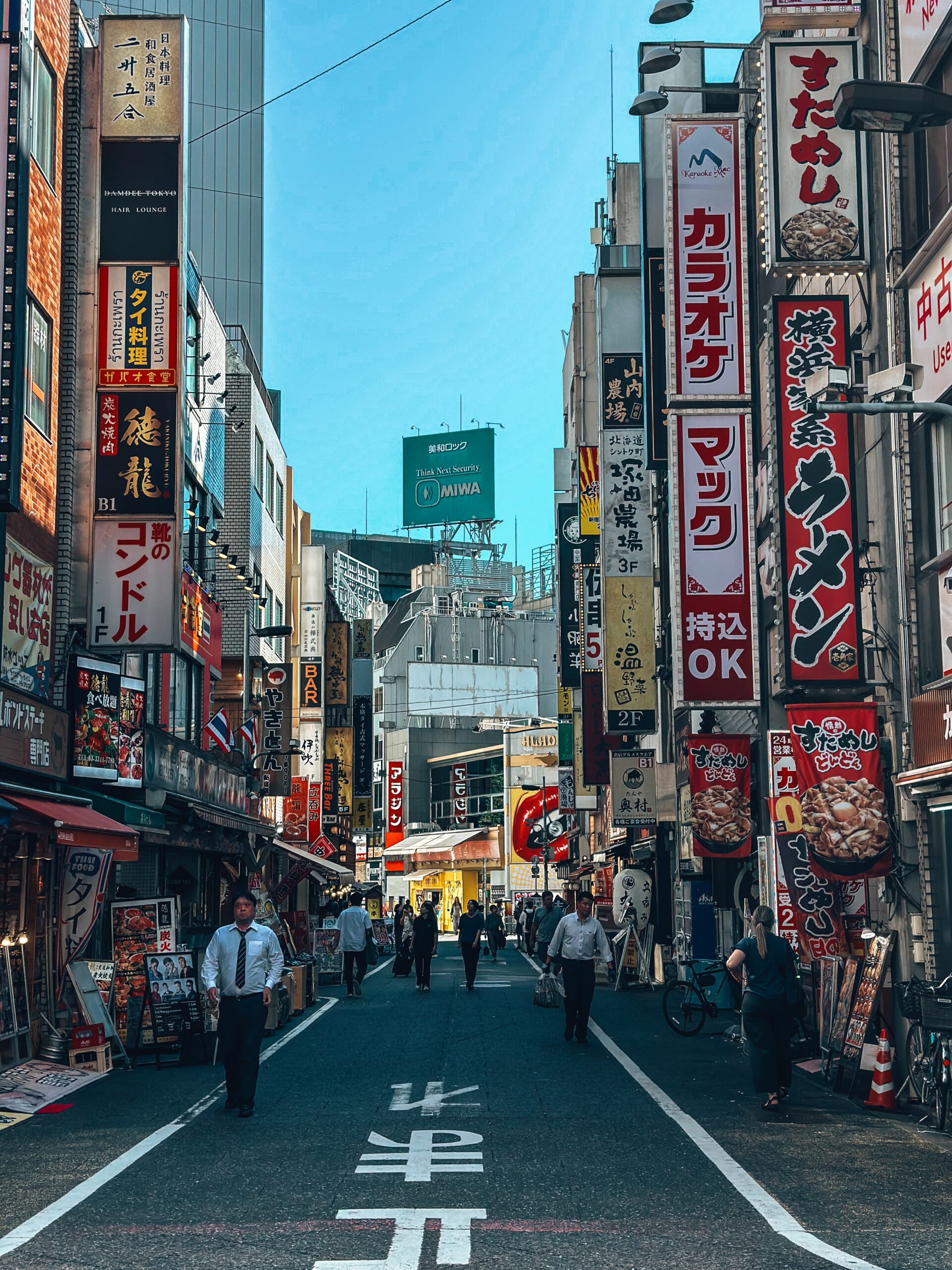
The real-world event centres on the peak heat recorded at Tokyo Haneda Airport on 6 July 2026, a date that historically sits within the tail end of Japan’s rainy season. For a power-user evaluating this market programmatically, the current 0% crowd-implied probability for any specific temperature range suggests the crowd anticipates a near-certain outcome within a single, narrow band, likely rendering other ranges worthless. Historical data confirms that early July highs in Tokyo typically climb from 80°F to 86°F, rarely dipping below 71°F or exceeding 93°F, with average lows rising from 71°F to 76°F[1]. Recent forecasts for Haneda in July 2026 show daily highs ranging between 76° and 91°, with an average high of 85°, reinforcing the expectation of consistent, humid warmth rather than extreme outliers[3].
A trader approaching this tooling should monitor the transition from the rainy season (tsuyu) to full summer heat, as this shift dictates the maximum temperature ceiling. Early July in Tokyo usually remains humid with rain or clouds daily, keeping temperatures in the low 30s Celsius, but a sudden break in cloud cover could spike readings significantly[5]. Dependencies include the official weather service updates for the RJTT station and the Wunderground resolution source, which will capture the highest temperature recorded for all times on that day[2][4]. While no specific announcement is required, the timing of the rainy season’s end is critical; recent travel guidance notes that persistent humidity and cloud cover are typical, suggesting a lower probability of record-breaking heat unless a clear-sky anomaly occurs[5]. Programmatic strategies should weight the 85° average high heavily while hedging against the 91° upper limit if cloud cover dissipates unexpectedly.
Methodology
Methodologically we separate two layers: the live probability (Polymarket mid-price) and the platform attributes (fee, KYC, settlement currency, payment rails). That keeps the comparison honest — a single canonical probability across the row, with the venue-by-venue trade-offs spelt out in the columns next to it.
Resolution & payout
At resolution the UMA oracle takes over: a proposer posts the outcome with a bond, any token holder can dispute within two hours. Without dispute the result is accepted and the smart contract distributes USDC instantly.
On Kalshi (CFTC-regulated) resolution runs through their in-house clearing engine in USD. Betfair Exchange settles after match end in the account's local currency. Manifold pays no cash — only its in-platform "mana" currency.
FAQ
- Where can I trade this market with the lowest fees?
- Polymarket is geo-blocked in the US/UK/EU. The easiest 0%-fee broker into the same order book is Kalshi Fees. Kalshi charges up to 7% per trade; Betfair Exchange takes 2-5% commission on net winnings.
- Is this market available outside the US?
- Polymarket itself is geo-blocked in the US/UK/EU. Always check the legal status of prediction markets in your jurisdiction before trading.
- How does resolution work?
- Through the UMA Optimistic Oracle on Polygon: a proposer submits the outcome, a two-hour challenge window opens, and USDC payouts settle automatically once the result is final.
- What's the difference between YES and NO shares?
- A YES share pays $1.00 if the event happens, $0 otherwise. A NO share pays $1.00 if the event doesn't happen. The market price between 0¢ and 100¢ is the implied probability.
- How reliable are the quoted odds?
- The YES/NO percentages are the live mid-prices of the Polymarket order book. On deep markets they move every few seconds; on thinner ones you'll see short plateaus.
%22%2F%3E%3Cpath%20d%3D%22M%206%2066%20A%2026%2026%200%200%201%2058%2066%22%20fill%3D%22%23E6B98D%22%20opacity%3D%220.9%22%2F%3E%3Ccircle%20cx%3D%2232%22%20cy%3D%2226%22%20r%3D%2222%22%20fill%3D%22%23F5CBA7%22%2F%3E%3Cpath%20d%3D%22M%2010%2026%20A%2022%2028%200%200%201%2054%2026%22%20fill%3D%22%230ea5e9%22%20opacity%3D%220.9%22%2F%3E%3C%2Fsvg%3E) and
and%22%2F%3E%3Cpath%20d%3D%22M%206%2066%20A%2026%2026%200%200%201%2058%2066%22%20fill%3D%22%23E6B98D%22%20opacity%3D%220.9%22%2F%3E%3Ccircle%20cx%3D%2232%22%20cy%3D%2226%22%20r%3D%2222%22%20fill%3D%22%23F5CBA7%22%2F%3E%3Crect%20x%3D%2210%22%20y%3D%224%22%20width%3D%2244%22%20height%3D%2214%22%20rx%3D%227%22%20fill%3D%22%230ea5e9%22%20opacity%3D%220.9%22%2F%3E%3Crect%20x%3D%228%22%20%20y%3D%2218%22%20width%3D%228%22%20%20height%3D%2218%22%20rx%3D%224%22%20fill%3D%22%230ea5e9%22%20opacity%3D%220.7%22%2F%3E%3Crect%20x%3D%2248%22%20y%3D%2218%22%20width%3D%228%22%20%20height%3D%2218%22%20rx%3D%224%22%20fill%3D%22%230ea5e9%22%20opacity%3D%220.7%22%2F%3E%3C%2Fsvg%3E)
Trade Highest temperature in Tokyo on July 6? on Kalshi Fees
Live order book, 0% fees, USDC settlement in seconds.
Open live market →