Platform comparison
| Platform | YES odds | NO odds | Fee | KYC | Settlement | |
|---|---|---|---|---|---|---|
Polymarket (via Kalshi Fees) Pick polygram.ink (preferred broker) |
100% | 0% | 0% (USDC on-chain) | No-KYC up to $1,500 | USDC, auto via UMA oracle | Place a position → |
Polymarket (direct) polymarket.com |
100% | 0% | 0% | Geo-blocked in US/UK/EU | USDC, on-chain | Place a position → |
Kalshi kalshi.com |
— | — | Up to 7% per trade | US-only, KYC required | USD | Place a position → |
Betfair Exchange betfair.com |
— | — | 2-5% commission | Full KYC from first trade | GBP / EUR | Place a position → |
Manifold Markets manifold.markets |
— | — | Play-money (mana) | None — play-money | Mana (no cash-out) | Place a position → |
Outcome probabilities
Current market-implied probability for each outcome, from the live order book.
| Outcome | Probability |
|---|---|
| 30°C | 100% |
| 23°C or below | 0% |
| 24°C | 0% |
| 25°C | 0% |
| 26°C | 0% |
| 27°C | 0% |
| 28°C | 0% |
| 29°C | 0% |
| 31°C | 0% |
| 32°C | 0% |
| 33°C or higher | 0% |
Market context
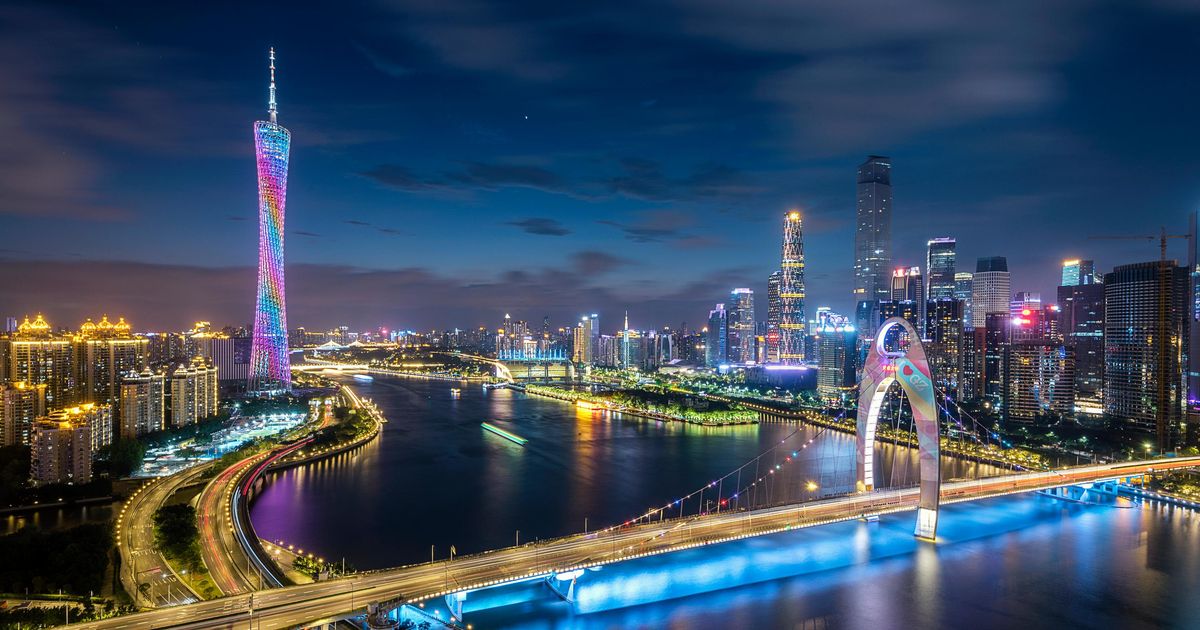
On 4 July 2026, the real-world event determining this market is the peak temperature recorded at Guangzhou Baiyun International Airport, with settlement based on the highest daily reading from Wunderground. The current 0% YES probability implies the crowd believes the temperature will not reach the specified threshold, likely 31°C, despite Guangzhou’s July climatology. Historical data confirms July is the hottest month, with average daily highs consistently between 33°C and 35°C, rarely dipping below 29°C or exceeding 39°C[2][4]. The record high of 39°C on 25 July 2024 further illustrates the region’s capacity for extreme heat, making a sub-31°C reading on 4 July statistically improbable under normal conditions[5].
A power-user approaching this programmatically would monitor real-time weather feeds and short-term forecasts for anomalies such as heavy cloud cover or tropical rain systems, which could suppress temperatures. Traders should watch for official announcements from the China Meteorological Administration regarding heatwaves or monsoon activity, as these directly influence daily peaks[6]. Recent reports indicate Guangzhou experienced its longest summer since 1961, suggesting sustained high temperatures are likely through early July[6]. Dependencies include the accuracy of Wunderground’s data logging and the timing of the settlement window, which ends at 12:00 UTC on 4 July. Any deviation in data collection or unexpected weather shifts could alter the outcome, making live monitoring essential for conditional order strategies.
Methodology
This page is a comparison snapshot: one live quote, four reference venues with their key attributes, and a single execution path — every trade button routes to Kalshi Fees, which mirrors the Polymarket order book directly.
Resolution & payout
At resolution the UMA oracle takes over: a proposer posts the outcome with a bond, any token holder can dispute within two hours. Without dispute the result is accepted and the smart contract distributes USDC instantly.
On Kalshi (CFTC-regulated) resolution runs through their in-house clearing engine in USD. Betfair Exchange settles after match end in the account's local currency. Manifold pays no cash — only its in-platform "mana" currency.
FAQ
- Is this market available outside the US?
- Polymarket itself is geo-blocked in the US/UK/EU. Always check the legal status of prediction markets in your jurisdiction before trading.
- How does resolution work?
- Through the UMA Optimistic Oracle on Polygon: a proposer submits the outcome, a two-hour challenge window opens, and USDC payouts settle automatically once the result is final.
- What's the difference between YES and NO shares?
- A YES share pays $1.00 if the event happens, $0 otherwise. A NO share pays $1.00 if the event doesn't happen. The market price between 0¢ and 100¢ is the implied probability.
- What does Polymarket cost to trade?
- Polymarket itself charges 0% — the only cost is the Polygon network fee, typically under $0.01 per transaction. Off-chain venues like Kalshi or Betfair charge 2-7% commission.
- How reliable are the quoted odds?
- The YES/NO percentages are the live mid-prices of the Polymarket order book. On deep markets they move every few seconds; on thinner ones you'll see short plateaus.
%22%2F%3E%3Cpath%20d%3D%22M%206%2066%20A%2026%2026%200%200%201%2058%2066%22%20fill%3D%22%23E6B98D%22%20opacity%3D%220.9%22%2F%3E%3Ccircle%20cx%3D%2232%22%20cy%3D%2226%22%20r%3D%2222%22%20fill%3D%22%23F5CBA7%22%2F%3E%3Cpath%20d%3D%22M%2010%2026%20A%2022%2028%200%200%201%2054%2026%22%20fill%3D%22%230ea5e9%22%20opacity%3D%220.9%22%2F%3E%3C%2Fsvg%3E) and
and%22%2F%3E%3Cpath%20d%3D%22M%206%2066%20A%2026%2026%200%200%201%2058%2066%22%20fill%3D%22%23E6B98D%22%20opacity%3D%220.9%22%2F%3E%3Ccircle%20cx%3D%2232%22%20cy%3D%2226%22%20r%3D%2222%22%20fill%3D%22%23F5CBA7%22%2F%3E%3Crect%20x%3D%2210%22%20y%3D%224%22%20width%3D%2244%22%20height%3D%2214%22%20rx%3D%227%22%20fill%3D%22%230ea5e9%22%20opacity%3D%220.9%22%2F%3E%3Crect%20x%3D%228%22%20%20y%3D%2218%22%20width%3D%228%22%20%20height%3D%2218%22%20rx%3D%224%22%20fill%3D%22%230ea5e9%22%20opacity%3D%220.7%22%2F%3E%3Crect%20x%3D%2248%22%20y%3D%2218%22%20width%3D%228%22%20%20height%3D%2218%22%20rx%3D%224%22%20fill%3D%22%230ea5e9%22%20opacity%3D%220.7%22%2F%3E%3C%2Fsvg%3E)
Trade Highest temperature in Guangzhou on July 4? on Kalshi Fees
Live order book, 0% fees, USDC settlement in seconds.
Open live market →